GRAET
Designing the path from user behaviour to business value
I joined GRAET before official launch to prepare the product for its first real users, tighten the experience, build the measurement layer early, and sequence the work around the outcomes that mattered most in the first months. Within the first months, the platform reached 10K MAU through product-led, organic growth and attracted over €1M in total investment.
Creating the measurement foundation
One of my first priorities was avoiding debt early and building the foundation for better decisions. Interviews were useful, but with players around 15 years old, behavioural data proved more reliable than what they said they would do.
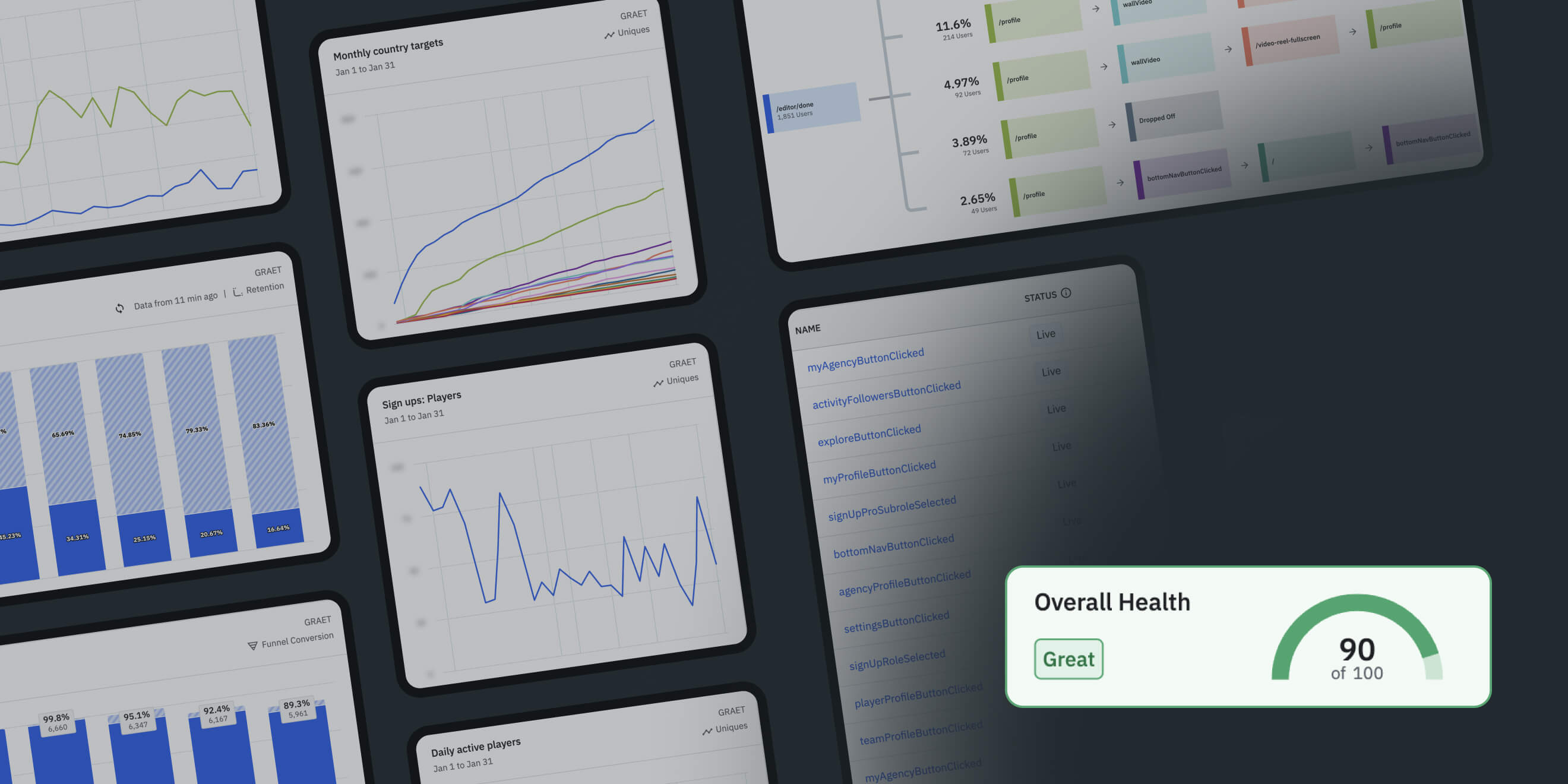
I set up Amplitude across the product, defining event taxonomy, user attributes, and funnel structure, and connected it with Intercom for onboarding communications. This gave the team a consistent way to understand behaviour, see where value was created and where it broke down, and make product decisions based on more than gut feeling. It also fed investor dashboards and made progress easier to explain externally.
Making retention a product priority
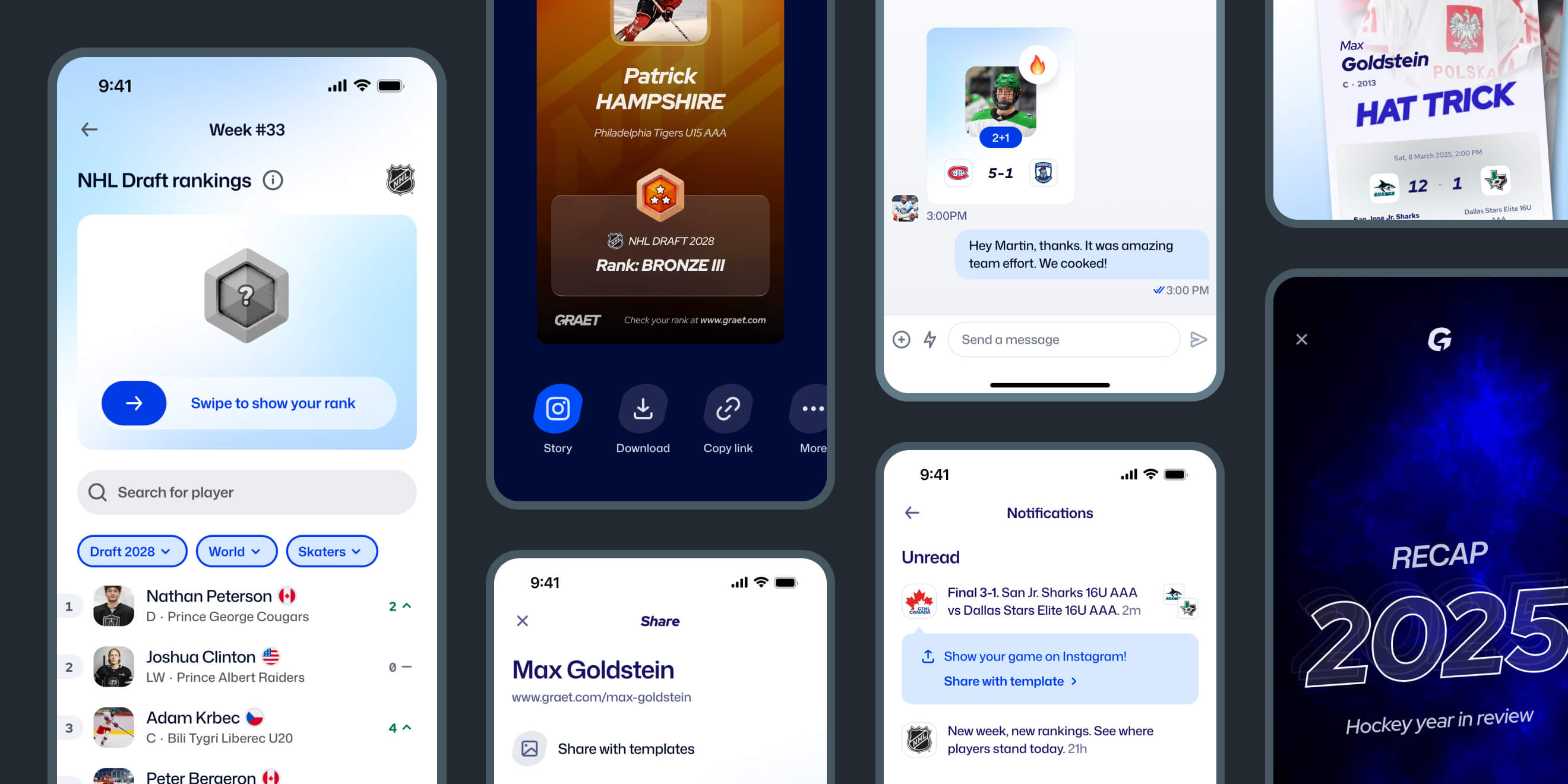
Early launch gave us the first real signals. One pattern stood out quickly. Players who uploaded a clip in their first session retained at a significantly higher rate. A clip uploaded on day one generated views within hours, creating recognition and giving players a reason to return and share. Content created visibility, visibility created status, and status drove more content.
With more data, a clear persona emerged. The most active users were the best players on their current teams, motivated by visibility and recognition. We leaned into that behaviour and deprioritised work that did not reinforce it, in order to keep growth momentum.
Uploads consistently peaked on Sundays and Mondays after games, and growth followed the same pattern. This loop drove organic growth to 10,000 players without paid acquisition. Day 14 retention improved from 14% to 23%, helping make usage more repeatable over time, and week one retention rose above 60%.
Turning engagement into placements
Once the player-side loop was working, the next question was whether coaches and scouts could act on the value the platform was creating. One direction we considered was building CRM tooling for agencies. I pushed against it. While it could have created earlier B2B value, it would have pulled the product into a heavier workflow before the core player and recruiter loop was strong enough.
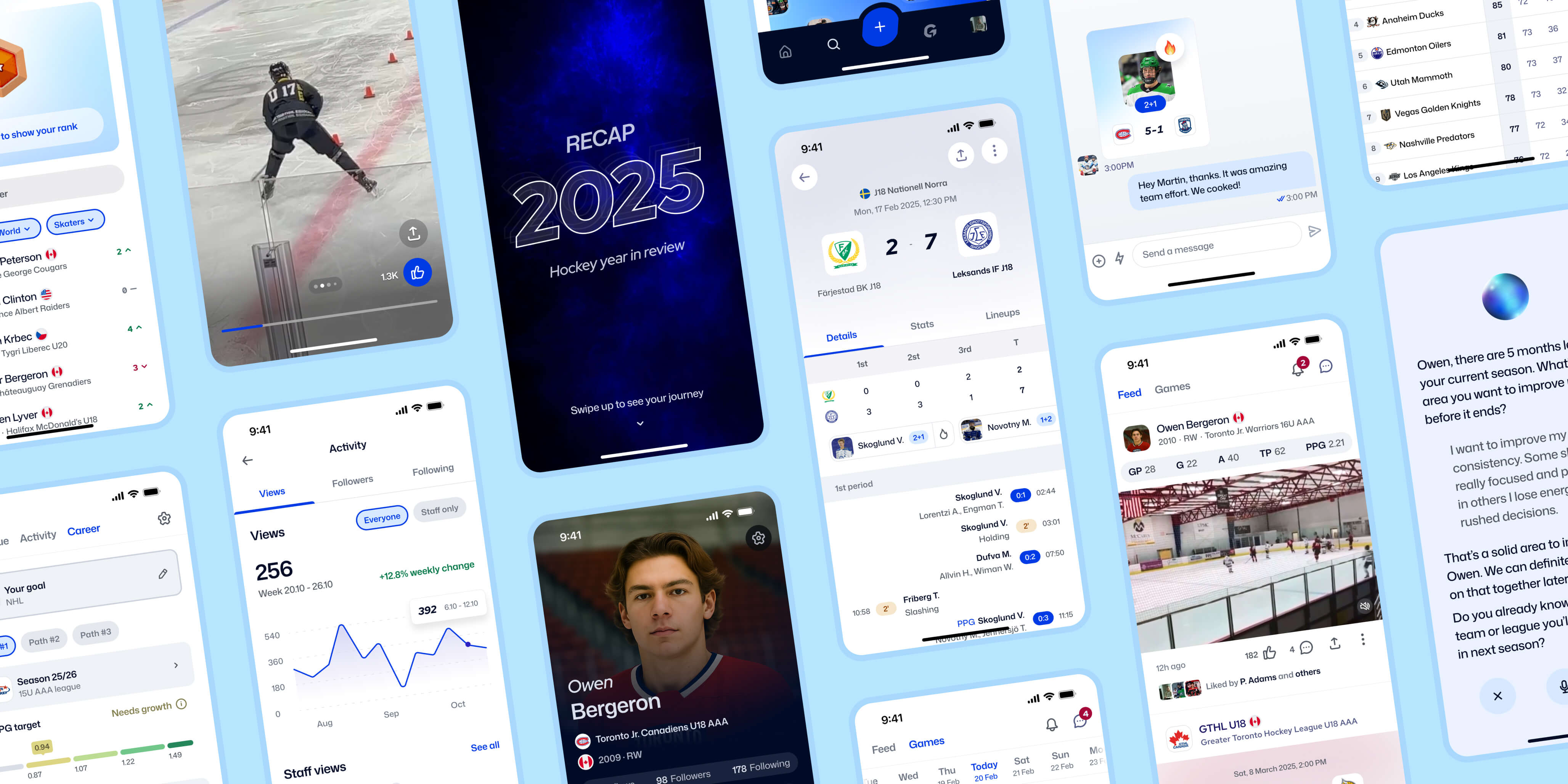
Research showed that early conversations were often blocked by the need to involve parents. We addressed this through group messaging, which allowed coaches to reach players and parents at the same time, and through family accounts, which linked profiles directly. Alongside that, search and filtering improved discovery, making it more targeted and repeatable.
The platform facilitated over 500 player placements in the first year. Each placement represented $10,000 or more in value, with some teams recruiting up to half their roster through GRAET.
Expanding the value proposition
As the engagement foundation matured, the next challenge was revenue. Research pointed to two motivations on the B2C side. Exposure and guidance.
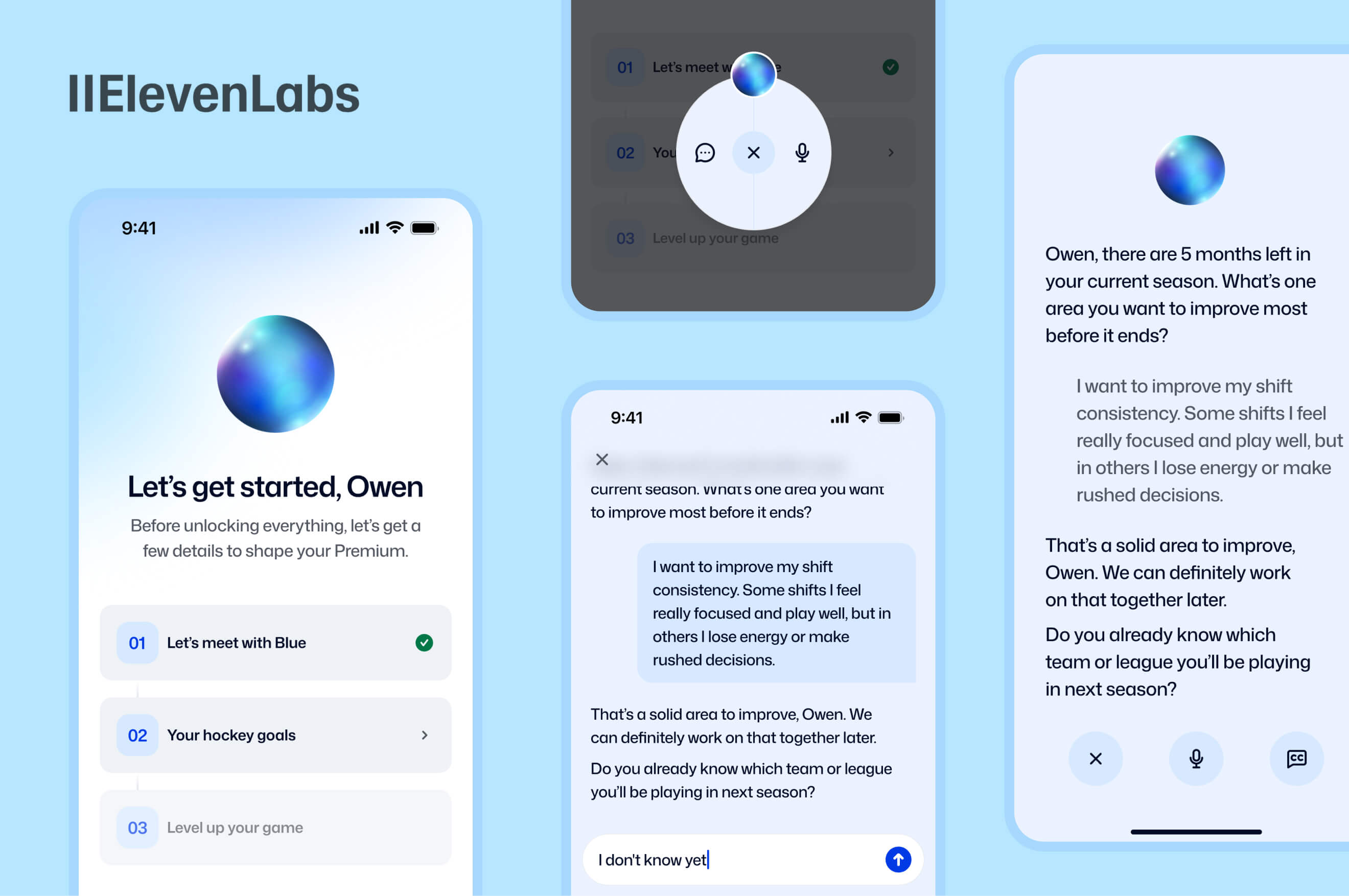
I designed an AI-powered advisor for players and families, using player-specific context from backend data to provide guidance on development, next-season steps, and opportunities. This included designing system prompts, topic-level conversation flows, and an evaluation loop to identify where the advisor was falling short and improve it iteratively.
Usage made one thing clear. Guidance had value, but trust mattered more than information. Families were not just paying for advice. They were paying for reassurance. AI alone was not enough to replace human agencies. The product shifted toward a more credible advisory model, with hockey experts involved directly and AI supporting the experience underneath.
Outcomes
The product grew to over 70,000 users, facilitated more than $10M in player placements, and surfaced viable revenue opportunities across both B2C and B2B. This did not happen in parallel. Sequencing was the strategy. Retention made placements possible. Placements made revenue credible.
What I learned
Sequencing mattered more than I expected. Activation, retention, placements, and revenue are not parallel problems. Each creates the conditions for the next. The most valuable work came from focusing on the right problem at the right time.
Behavioural data proved more reliable than what users said they would do. The most important decisions came from observing what users actually did and building around those signals.
The role I am most effective in sits across design, analytics, and product direction. Not just shaping the experience, but helping define what success looks like, where the team should focus, and how product work connects to measurable outcomes.